Social Listening Software, Matched to Your Stage
Pick social listening software by query volume, source coverage and price tier, then verify what it catches before you sign an annual plan.
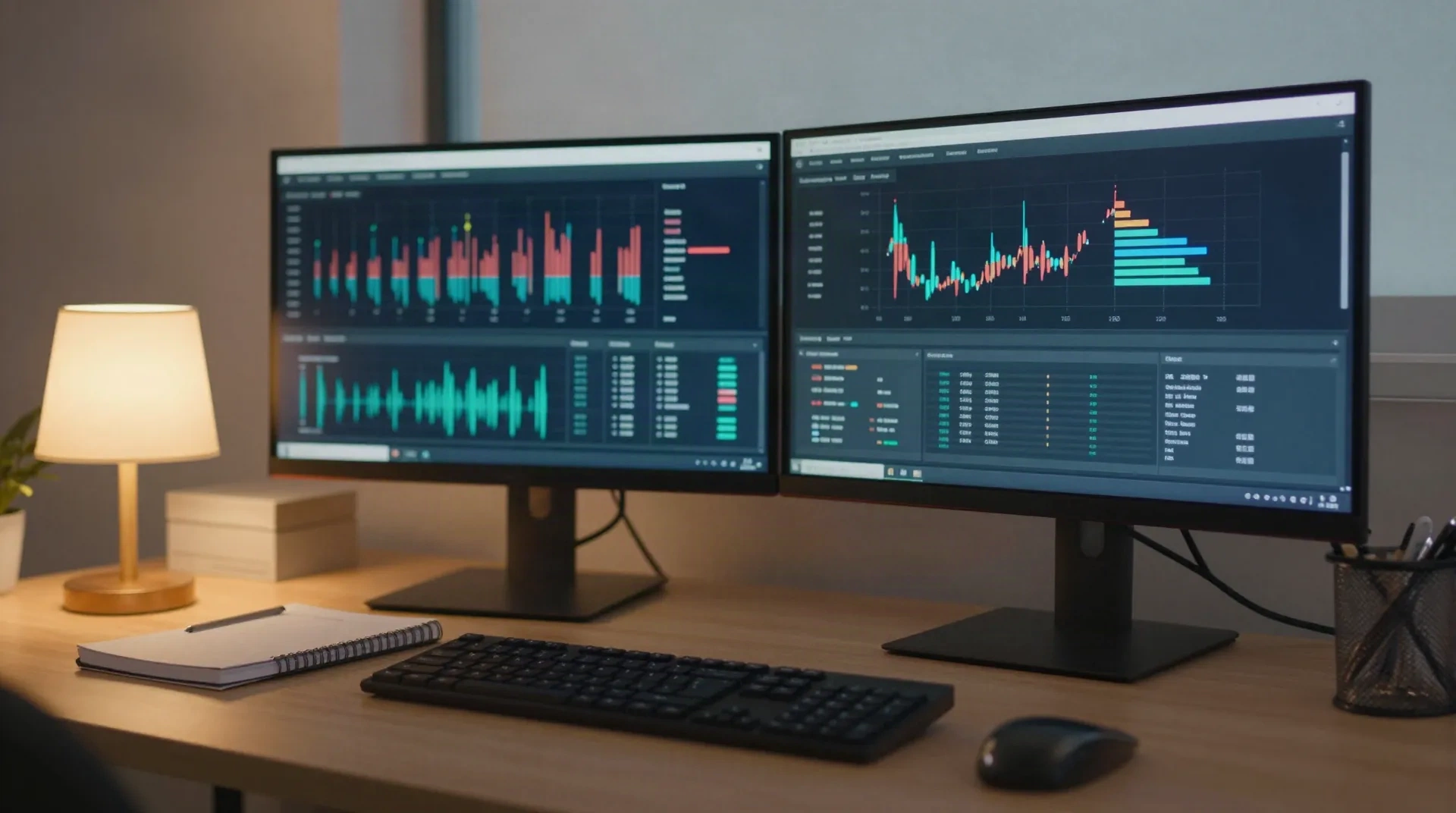
Five things to measure before you buy
The same measurable criteria we apply to startup databases, applied to listening platforms.
Source coverage
List the platforms actually indexed: X, Reddit, forums, news, review sites. Ask which are licensed feeds and which are scraped, because that decides how long coverage lasts.
Alert latency
Real-time alerts and daily digests are different products. For a pricing change or a competitor launch, a 24-hour delay can mean you learn it from a customer.
Query depth
Boolean operators, exclusion terms and entity filters decide whether you get signal or noise. Test one hard query during the trial, not a brand name.
Price per alert
Entry plans cap alerts and seats. Divide the monthly price by the number of queries you really need, then compare tiers on that number.
Export and API
If you cannot export mentions to a sheet, you cannot audit the sentiment score. Check CSV export and API access on the exact plan you would buy.
Historical depth
Some plans only look forward from the day you set up a query. Others reach back months. Backfill matters when you need a baseline before a launch.
From first query to usable finding
A four-step routine that keeps social listening software tied to a decision.
-
1
Define the question first
Write one sentence: which customer objection, competitor move or category term do you need to understand? Every query should trace back to that sentence.
-
2
Build narrow queries
Use phrases buyers type, exclusion terms for job posts and promotions, and two or three competitor names. Broad single-word queries drown in noise within a day.
-
3
Sample raw mentions weekly
Read fifty raw mentions per query. Tag them by theme in a sheet. The tags, not the dashboard chart, become your evidence.
-
4
Confirm before acting
Treat each theme as a hypothesis. Check it against interviews, support tickets or a structured dataset before it changes a roadmap or a pricing page.
Mapping the words buyers use for a problem
A seed-stage team selling an AI workflow product tracked three phrases buyers used for the same pain point. Two of the phrases did not appear anywhere on the team's own landing page. Rewriting the headline around the more frequent phrase gave the sales team language that matched discovery calls. Social listening software supplied the vocabulary, while interviews supplied the reason behind each phrase.
- Track phrases, not brand names
- Count how often each phrase appears per week
- Take the winning phrase to five customer calls
Auditing a competitor's pricing change
When a competitor moves from seat-based to usage-based pricing, the first evidence is often a screenshot on a feed or a complaint in a support thread. An alert set on the pricing page name and the words customers use for cost catches that chatter early. It does not tell you the new tier structure. For that, you still read the vendor's published pricing page and log the delta in a sheet.
- Alert on pricing terms plus competitor name
- Log each change with date and source
- Verify tiers on the vendor's own page

How the main tools position on price and fit
Pricing and positioning as published by each vendor. Confirm current terms before purchase.
| Criterion | Mention | Sprout Social | Brandwatch / Talkwalker / Meltwater |
|---|---|---|---|
| Entry price | From about $41 per month | From about $199 to $249 per seat per month | Custom quote only |
| Buying process | Self-serve signup | Self-serve to sales-led | Enterprise sales cycle |
| Best fit | Founders and small teams | Marketing teams that also publish | Insights, PR and agency teams |
| Strength | Real-time alerts, published pricing | Listening plus publishing and inbox | Full-coverage data, image recognition, media monitoring |
| Main trade-off | Alert and seat caps on low tiers | Lighter data volume than enterprise tools | Cost and contract length |
Common questions about social listening software
What is social listening software used for in market research?
How much does social listening software cost?
Which social listening software suits a seed-stage AI startup?
Is social listening software the same as social media management?
What data does social listening software miss?
How accurate is automated sentiment scoring?
Can social listening software replace customer interviews?
Get the weekly signals, skip the tabs
The same hiring, funding and pricing deltas this guide describes, synthesized into one briefing, ingested every four hours.