Day Trading for Beginners: The AI Tool Stack That Works
Summary
Day trading for beginners becomes more tractable with the right AI tool stack. Behavioral analysis tools should come before signal generators. A $35/month journaling layer generates the dataset needed to evaluate whether paid signal tools are worth the premium. Risk management, position sizing, and stop-loss discipline remain manual. The two-week paper trading protocol with behavioral logging filters most first-month losses before real capital is at risk.
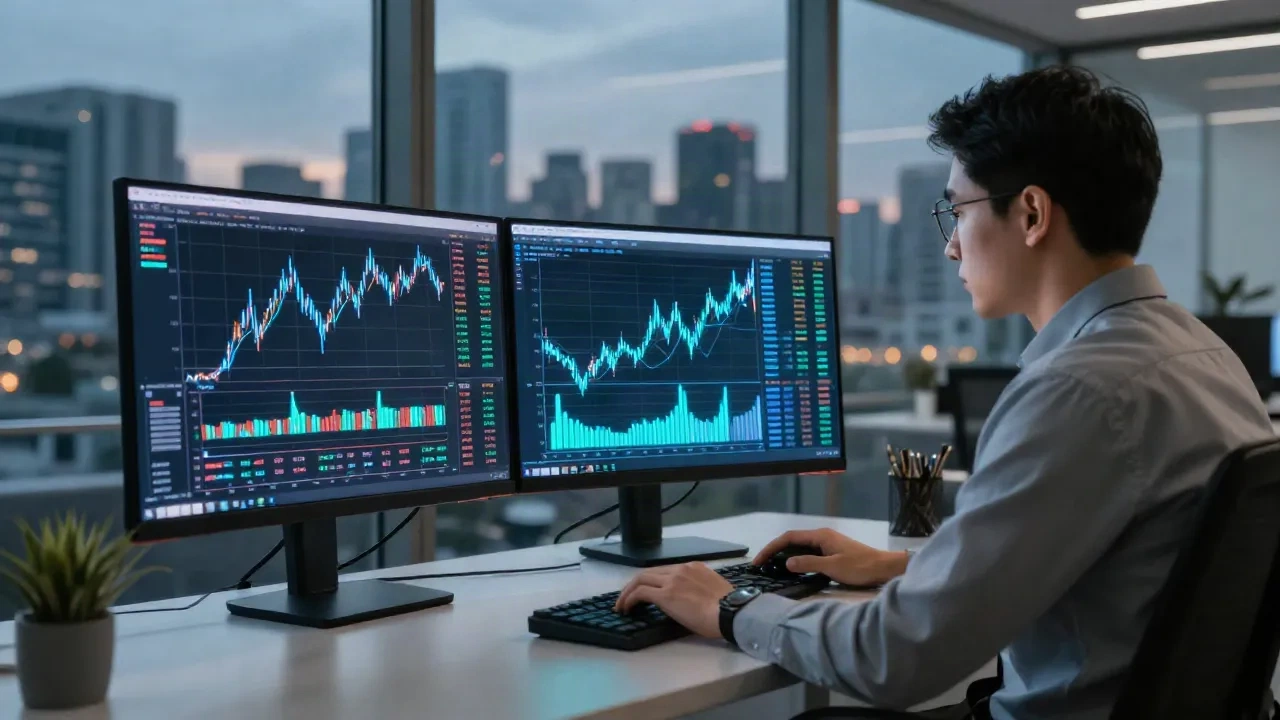
Day trading for beginners no longer means reading dozens of charts alone at 6am. In 2026, a category of AI tools has emerged that filters market signals, flags pattern setups, and surfaces behavioral blind spots before a single trade executes. The question is not whether to use these tools. It is which layer of the stack to build first, and what each tool can and cannot replace.
This is a structured evaluation of the tools that matter, their price-to-signal ratio, and the sequencing logic operators actually use.
Why Most Beginners Lose Before AI Enters the Equation
The data point that frames this entire category comes from behavioral analysis embedded in tools like TradeZella: most retail traders lose capital because of emotional mistakes, not because they lack access to signals. Overtrading after a loss, exiting a position early on a winning day, ignoring stop-loss thresholds under pressure. These are execution failures, not information failures.
AI tools address the information layer effectively. The behavioral layer is a different product category, and confusing the two is the primary reason beginners overspend on the wrong tools.
Understanding this distinction determines which tool you buy first.
What AI Actually Does in a Trading Workflow
AI in a trading context means one of three things, and conflating them is the most common source of disappointment for new operators:
Pattern recognition: automated detection of chart patterns, candlestick formations, and historical setups. TrendSpider recognizes over 220 chart patterns and 150 candlestick patterns without manual drawing. At $59-99/month, it replaces hours of manual chart annotation that most beginners skip anyway because the volume is unmanageable.
Signal generation: pre-market and intraday scanning for high-probability setups based on backtested strategies. Trade Ideas' Holly AI runs millions of nightly backtests across 70+ strategies, targeting those with at least a 60% historical win rate and a 2:1 risk-reward minimum, then delivers 5-8 curated trade ideas before market open. The system covers US equities only.
Behavioral analysis: post-session review of your own trades to identify systematic mistakes. TradeZella's Zella AI auto-tags trades, runs session reviews, and surfaces patterns in your own execution data across 500+ supported brokers.
Most beginners buy a signal tool when they need a behavioral tool. The correct sequence is the reverse.
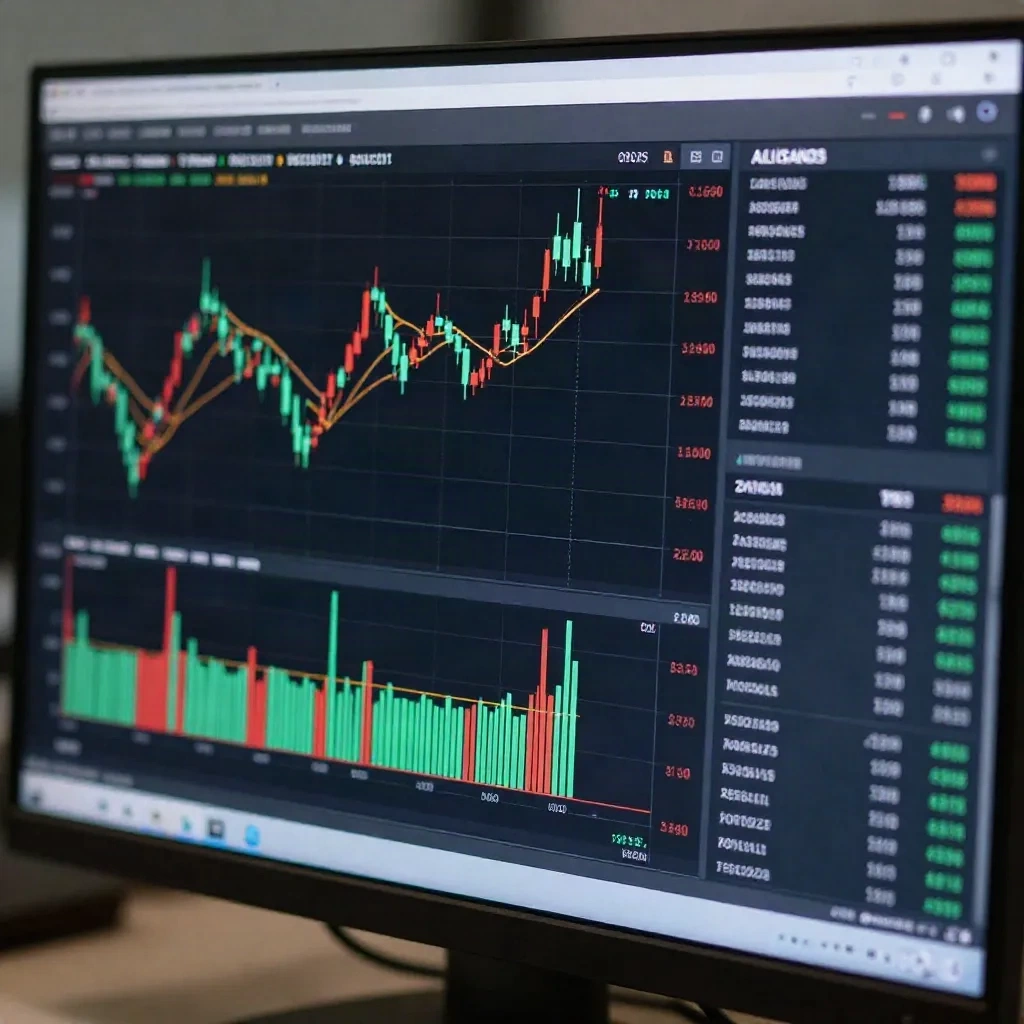
Signal Generators vs. Behavioral Analysis: Which Layer Matters First
A signal generator tells you what to consider trading. A behavioral analysis tool tells you why you are consistently losing on the trades you actually take.
For a beginner with under 90 days of live trading, behavioral data is the scarce resource. You have not yet generated enough trade history for pattern recognition to surface meaningful errors. The priority is to build that dataset: log every trade with context, including pre-market thesis, entry rationale, exit rationale, and execution conditions.
TradeZella at $35-99/month handles this logging automatically via broker data import. After 30 sessions, the AI has enough data to identify whether you systematically cut winners early, whether you overtrade on high-volatility days, whether your losing trades cluster in specific sectors. This is the signal that changes outcomes, not a pre-market scanner.
Signal generators become relevant at the 90-day mark, when you have a tested edge to amplify rather than noise to organize.
Five AI Tools Worth Evaluating at Each Price Point
The breakdown below covers the primary tools in the category. Pricing reflects 2026 annual billing rates where available.
TradeEasy AI (free): news sentiment classification, labels each financial article Bullish, Neutral, or Bearish. Best for news-driven setups and macro context filtering.
TradingView ($15-60/mo): charting platform with 100,000+ community-built indicators. Relevant at all levels as a long-term reference tool and community signal layer.
TradeZella ($35-99/mo): behavioral analysis and trade journaling with AI session reviews. Primary tool for the first 0-6 months of trading.
FinViz Elite ($40-50/mo): stock screener covering 8,500+ stocks across 67 filter criteria. Relevant once you have a sector thesis that needs systematic intraday screening.
TrendSpider ($59-99/mo): automated pattern recognition across 220+ chart patterns and 150+ candlestick formations, with backtesting against 50 years of price data. Best at the intermediate charting stage.
Trade Ideas - Holly AI ($178-254/mo): pre-market signal generation based on millions of nightly backtests across 70+ strategies. Relevant for active US equity day traders with validated execution data.
The $35-99/month tier covers 80% of what a beginner needs for the first six months. The $178+ tier is a premium on signal speed and volume, which only matters when your strategy is already validated by your own execution data.
For AI-driven stock analysis and investment research oriented toward the decision layer rather than the signal layer, Intellectia AI occupies a distinct position in this stack. For beginners building a position thesis before entering a trade, the ability to query structured financial data through a conversational interface reduces the research cycle significantly.
How to Structure a Beginner Stack: Free Tier First, Paid When the Data Justifies It
Months 0-3 (setup and behavioral baseline):
TradeEasy AI (free): news sentiment filter, keeps you out of earnings-adjacent volatility you cannot yet read
TradingView free tier: charting foundation, access to 100,000+ community-built indicators for reference
TradeZella at $35/month: trade logging, session review, behavioral pattern detection
Total: $35/month. This stack generates the dataset you need before spending more on signal infrastructure.
Months 3-6 (signal layer added):
Add FinViz Elite ($40/month) once you have a sector thesis that needs intraday screening against 8,500+ stocks
Consider TrendSpider once your chart-reading workflow needs automated pattern confirmation across multiple timeframes
Months 6 and beyond (edge validation):
Trade Ideas Holly AI is justified only if you are actively trading US equities daily and your execution data shows consistent positive expectancy in the setup types it targets
The sequencing mistake most operators make is buying the $254/month tool before they have 90 days of behavioral data to tell them whether Holly's signals fit their execution style and risk profile.

The Risk Management Layer No AI Tool Handles for You
Every tool in this category includes a disclaimer variant of the same statement: AI improves your odds but does not guarantee profits. That framing understates the actual issue.
Risk management has three components that remain manual regardless of tool stack:
Position sizing: how much capital you allocate per trade relative to your total account. No AI tool in this category sets this for you. They surface the setup; the size is a manual decision with direct impact on survival during drawdown periods.
Stop-loss discipline: executing the stop when price hits it rather than hoping for a reversal. Emotional override at the stop is the most common capital destruction event in retail day trading. No signal generator prevents this; behavioral logging surfaces it after the fact.
Daily loss limits: a hard ceiling on maximum daily drawdown before you stop trading for the session. Most experienced operators cap this at 2-3% of total account value per day. This rule is set by the operator, not by any tool.
The behavioral stack, TradeZella and its equivalents, can surface whether you are consistently violating your own rules across sessions. That retrospective view has real value. It does not replace the real-time execution discipline.
A Two-Week Onboarding Protocol for New Operators
Week 1 is paper trading with behavioral logging. Trade with a simulated account (most brokers offer this natively) and log every decision in TradeZella or an equivalent journaling tool. The goal is to build a 20-trade dataset before real capital is at risk. The simulated environment removes the emotional execution layer temporarily, making it easier to assess signal accuracy in isolation.
Week 2 introduces news sentiment filtering. Add TradeEasy AI's sentiment labels to your morning preparation. Cross-reference with TradingView's community indicators for the sectors you are targeting. Begin identifying which news categories produce actionable setups in your target instruments and which produce noise.
At the end of two weeks, review your session data with the AI analysis layer. The output identifies whether your signal-recognition accuracy exceeds 50%, the minimum threshold to consider before applying real position sizing. Below 50%: extend the paper trading period and use the behavioral data to identify the specific pattern categories where your read is weakest. Above 50%: consider a minimal live allocation, under 5% of intended capital, with strict stop-loss rules enforced without override.
This protocol delays capital deployment by two weeks. It also filters out the majority of beginner-period losses, which industry data consistently shows cluster disproportionately in the first 30 trading sessions for retail participants entering without a structured logging process.
What the AI Stack Cannot Replace
Process clarity. The operators who use these tools effectively arrive with a thesis before they open a position: which sector, which catalyst, what entry trigger, what exit threshold. AI surfaces candidates and validates patterns. It does not build the analytical framework that makes those candidates meaningful.
The signal-to-noise ratio improvement from this stack is real and measurable. A scanner like Trade Ideas reduces the universe of 8,500+ US equities to a shortlist of 5-8 setups per morning. A tool like TradeZella compresses a 30-session behavioral review into a 10-minute structured summary. The friction removed is real and compounds over a trading year.
The framework for using those signals, the thesis, the sector logic, the execution discipline, that remains the operator's job. The tools quantify it; they do not replace it.