Migliori azioni da comprare 2026: AI
Riassunto
Nel 2026 si concentrano le migliori opportunità AI su cinque aziende ai colli di bottiglia della supply chain. Nvidia domina GPU-compute con CUDA lock-in. Broadcom cresce exponenzialmente tramite contratti ASIC con visibilità 18-24 mesi. TSMC rimane monopolio foundry. Micron beneficia di vincoli HBM e crescita datacenter 75%. AMD scala nel mercato inference cost-driven. I segnali operativi precedono earnings di 1-3 trimestri.
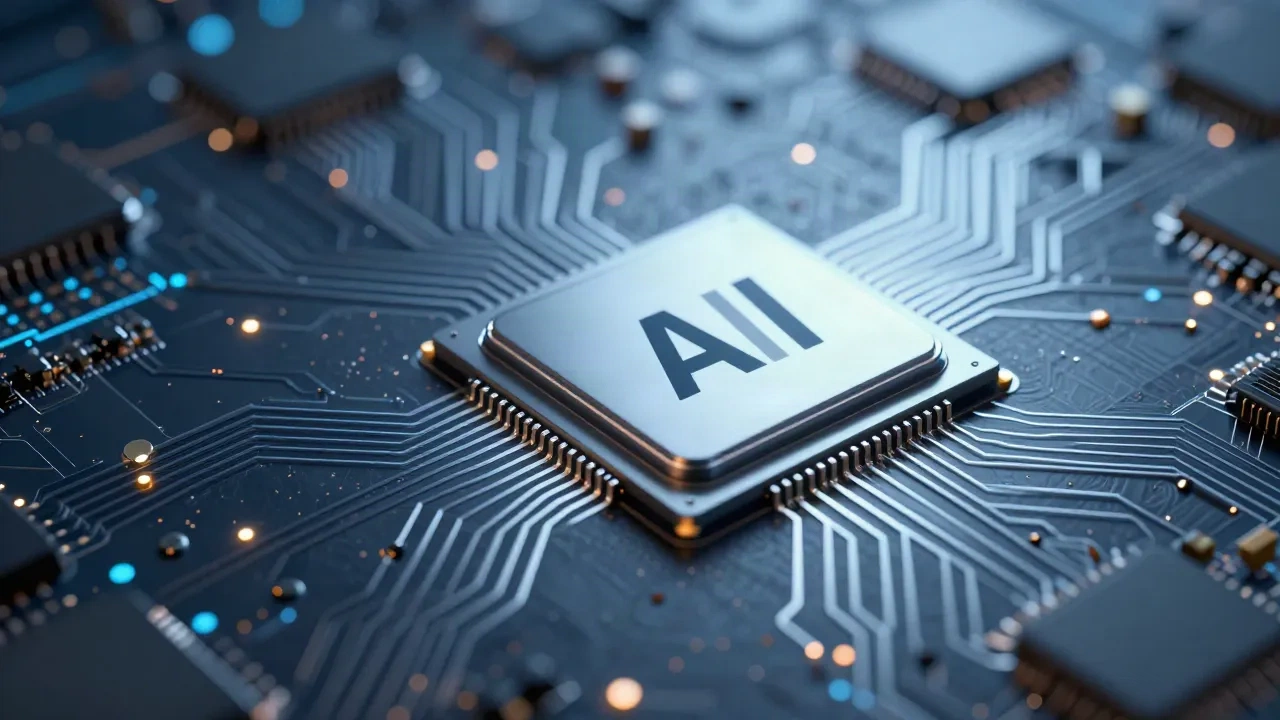
Le migliori azioni da comprare ora 2026 nell'infrastruttura AI non sono distribuite uniformemente. Nel 2026, le opportunità migliori si concentrano su quattro strati: silicio GPU, ASIC personalizzati, packaging semiconduttore avanzato e memoria ad alta larghezza di banda (HBM). I cinque hyperscaler hanno impegnato 320 miliardi di dollari in capex AI nel 2026, rispetto a 204 miliardi nel 2024.
How AI Capex Maps to Stock Selection
Structural chokepoints: GPU-compute (CUDA lock-in), Custom silicon (ASIC contracts), High-bandwidth memory (HBM supply constrained).
Nvidia (NVDA)
80-85% AI training chip market share. CUDA ecosystem creates switching costs. 115 billion data-center revenue run-rate. Concentration risk: Microsoft, Meta, Google, Amazon represent 45% of revenue.
Broadcom (AVGO)
220% YoY AI revenue growth Q2 2026. Google Trillium TPU plus undisclosed hyperscaler ASIC programs. 18-24 month contract visibility. Trades 27x forward earnings.
Taiwan Semiconductor (TSM)
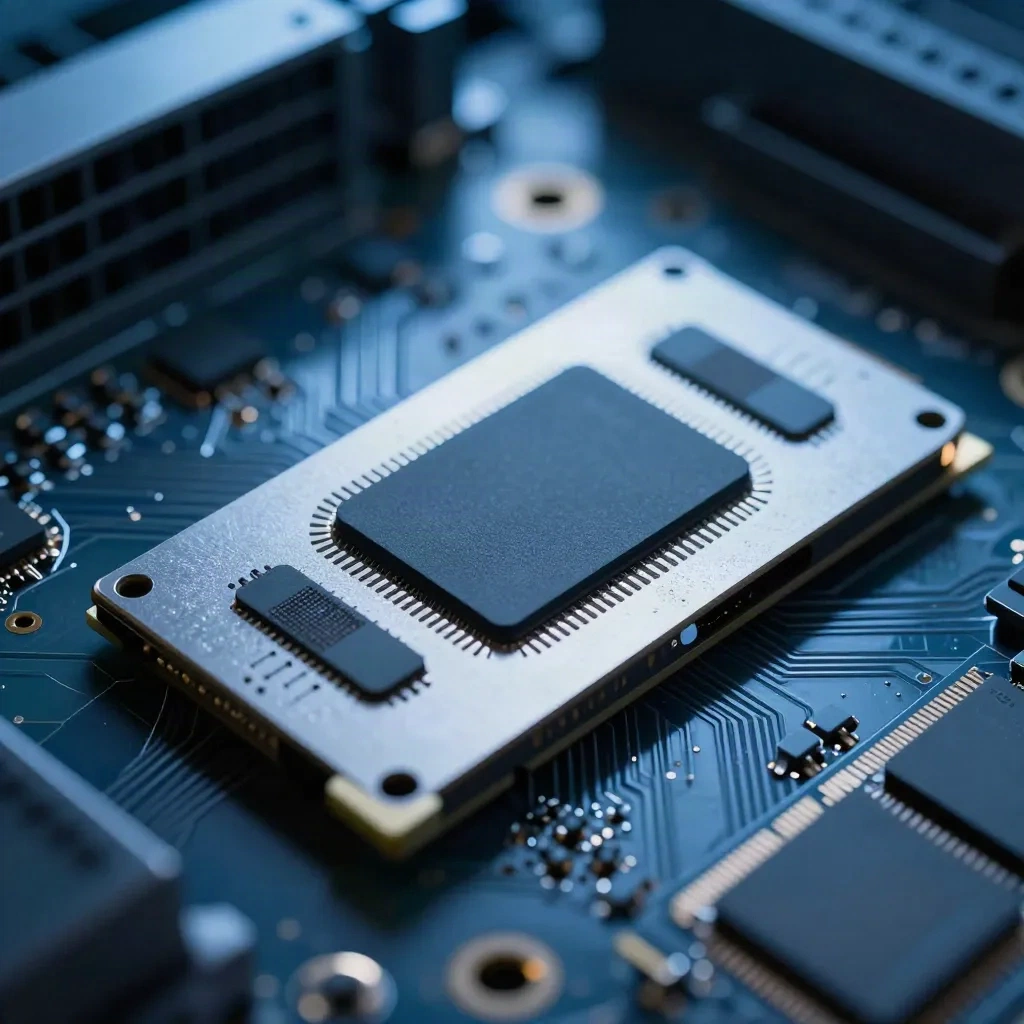
Every leading AI chip runs through TSMC 3nm/2nm process. 28% of wafer revenue AI-related (Q1 2026). CoWoS packaging capacity booked through Q1 2027. Geopolitical concentration risk: Taiwan fabrication 95% of advanced node capacity.
Micron (MU)
HBM is the throughput bottleneck. Memory capacity per chip increased 2.4x. 8.1 billion datacenter revenue Q2 FY2026, 75% YoY growth. HBM pricing 5-6x standard DRAM. Trades 14x forward earnings—cheapest on list.
AMD (AMD)
MI300X accelerator deployed at Microsoft Azure, Meta, Oracle for inference workloads. 7-8 billion datacenter GPU revenue run-rate. Growth path from near-zero in 2023. Inference volume growing faster than training. Current valuation prices moderate share gains.
Reading Supply Chain Signals
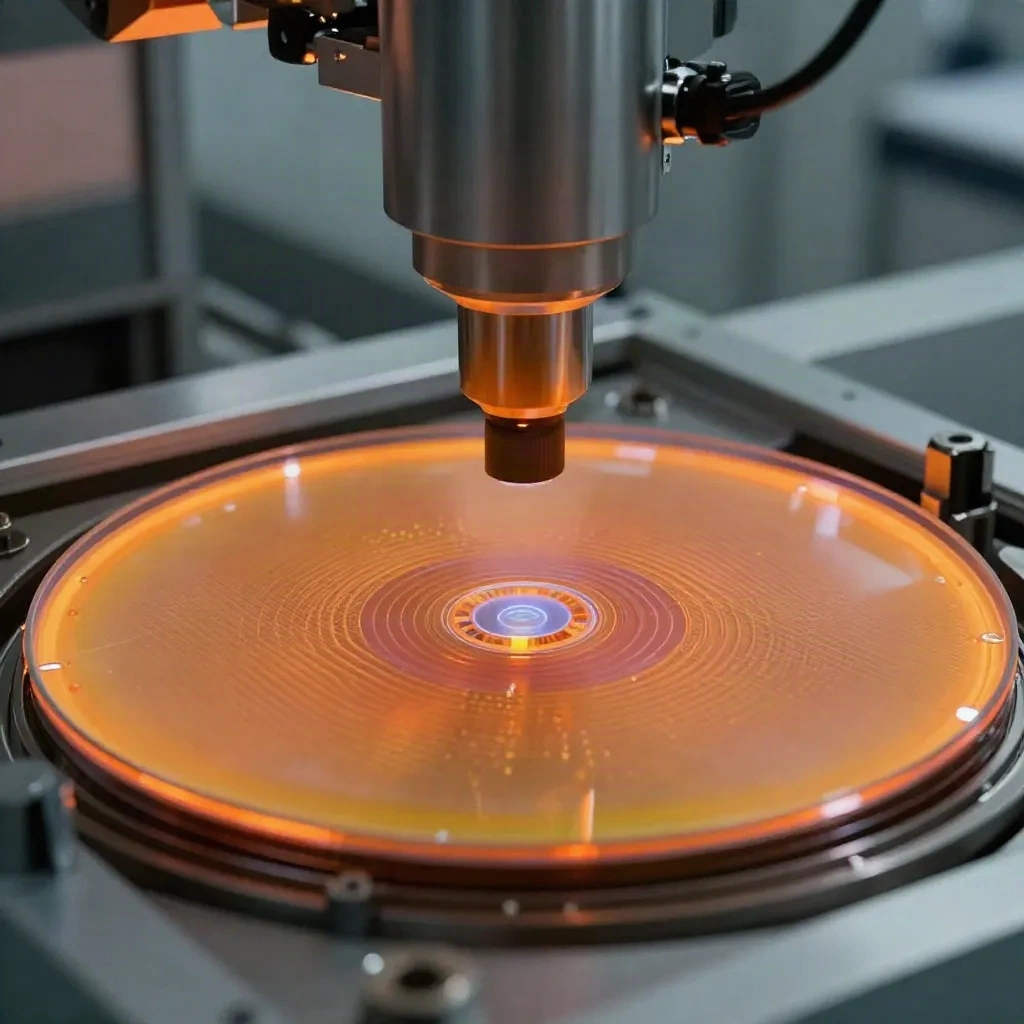
Operational advantage: access to leading indicators that precede quarterly earnings 1-3 months.
TSMC CoWoS capacity: Forward indicator for Nvidia/Broadcom GPU volume 2-3 quarters ahead
Hyperscaler capex disclosures: Signal-to-noise ratio high on earnings calls
Startup compute announcements: Proxy for downstream GPU demand
HBM allocation timing: If allocation to AI customers exceeds 80%, standard DRAM pricing softens
What This Framework Excludes
Microsoft, Amazon, Alphabet: AI revenue diluted. Microsoft 18% of total revenue, smaller for Amazon/Alphabet. Signal buried in diversified business.
For operators building positions in public AI infrastructure, the question is not which large-cap tech company is safest. It is which company's revenue trajectory most directly reflects AI infrastructure deployment patterns already visible in startup databases, hyperscaler procurement filings, and semiconductor supply chain disclosures.
Nvidia at 85% AI revenue concentration is purer expression of thesis than Microsoft at 18%. Same logic explains why TSMC is on this list and Intel is not: Intel's foundry business real but currently less than 3% of advanced AI chip manufacturing volume. Delta counts more than strategic ambition.
Five names above – Nvidia, Broadcom, TSMC, Micron, AMD – sit at chokepoints. Signals measurable. Monitor leading indicators above, not price action.